
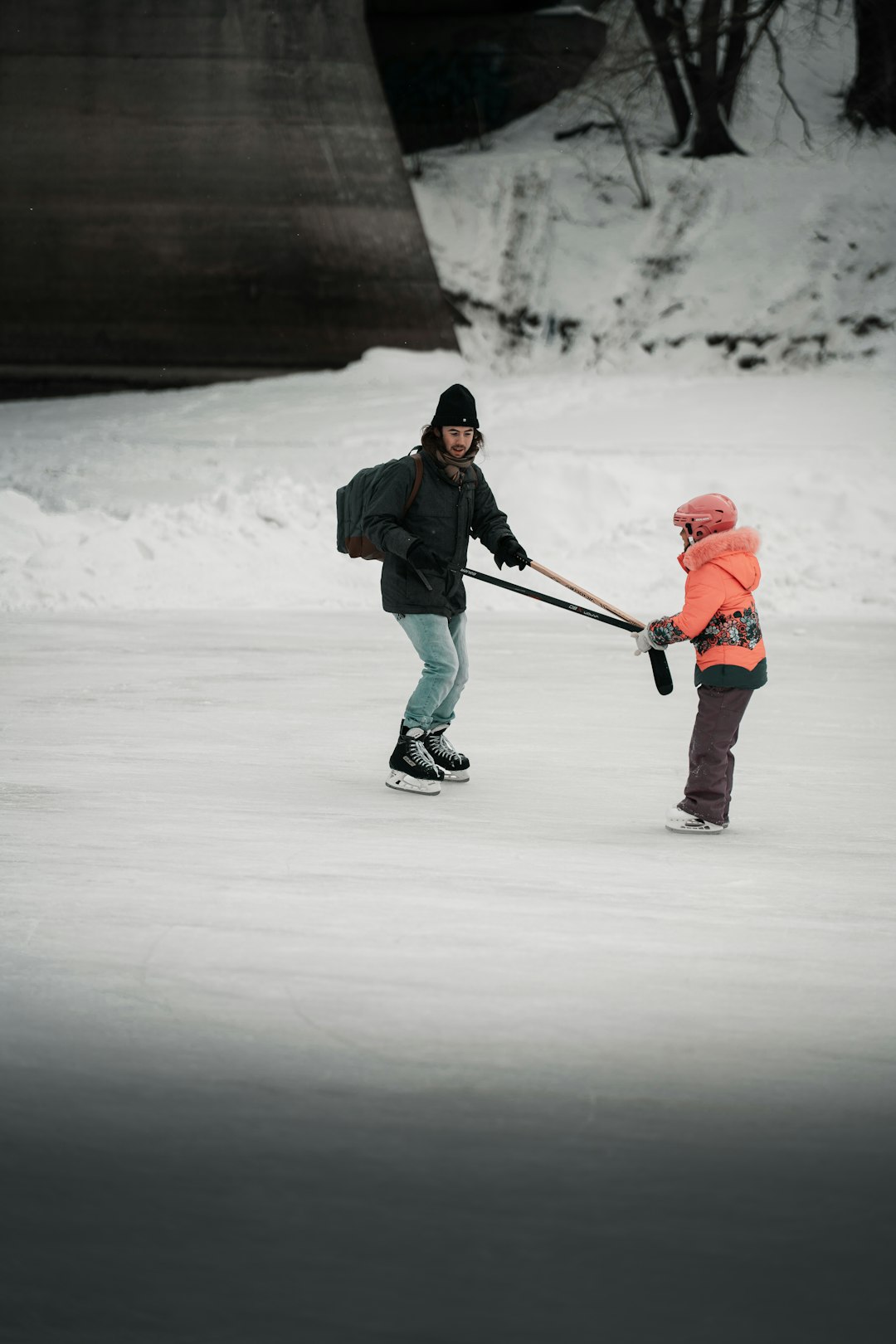
Ice skating offers one of the most comprehensive workouts available, combining cardiovascular exercise, strength training, flexibility work, and mental engagement into a single enjoyable activity. Unlike many forms of exercise that target only specific fitness components, skating provides balanced development across multiple physical systems. This article explores the numerous ways regular ice skating contributes to overall fitness and why it deserves consideration as part of any well-rounded fitness program.
Whether you skate recreationally once a week or train intensively multiple times weekly, the fitness benefits accumulate over time, improving health markers and physical capabilities in ways that enhance daily life beyond the rink.
Cardiovascular Benefits
Ice skating provides excellent cardiovascular exercise that strengthens the heart and improves circulatory system efficiency.
Aerobic Exercise
Skating elevates heart rate into aerobic zones where cardiovascular improvements occur. During a typical skating session, your heart rate increases as your body works to power movement and maintain balance. This sustained elevated heart rate strengthens the heart muscle, improving its ability to pump blood efficiently throughout your body.
Regular cardiovascular exercise like skating reduces resting heart rate over time, indicating improved heart efficiency. It also increases stroke volume, the amount of blood pumped with each heartbeat, meaning your heart works less to deliver the same amount of oxygen to tissues.
Calorie Burning
Skating burns significant calories, making it effective for weight management. The exact amount varies based on intensity, body weight, and skill level, but recreational skating typically burns between 250 to 650 calories per hour. More vigorous skating or advanced techniques increase this number substantially.
The continuous movement required in skating maintains elevated metabolism throughout sessions. Unlike some exercises with frequent rest periods, skating often involves sustained activity that maximizes calorie expenditure.
Circulatory Health
Regular skating improves overall circulation, helping deliver oxygen and nutrients to tissues more efficiently while removing metabolic waste products. This enhanced circulation contributes to better skin health, improved energy levels, and faster recovery from exertion. The cardiovascular improvements from skating also reduce risk factors for heart disease, stroke, and other circulatory conditions.
Muscular Strength and Endurance
Skating engages multiple muscle groups simultaneously, building both strength and endurance throughout the body.
Lower Body Development
The legs bear primary responsibility for propulsion and control in skating, leading to substantial lower body strengthening. Quadriceps muscles on the front of the thighs work constantly to maintain the bent-knee position essential for skating and provide power for movement. Hamstrings on the back of the thighs balance quadriceps action and control leg extension.
Gluteal muscles in the buttocks generate powerful pushing forces and stabilize the pelvis during single-leg gliding. Calf muscles control ankle position and contribute to push-off power. Hip abductors and adductors, often neglected in traditional exercise programs, develop strength as they maintain leg position and control side-to-side movements.
This comprehensive lower body engagement creates balanced leg development rather than the disproportionate development that can occur from exercises targeting only specific muscles.
Core Strengthening
Maintaining balance on skates requires constant core muscle engagement. Abdominal muscles, lower back muscles, and deep stabilizers work continuously to keep your torso positioned correctly over your feet. This sustained core activation builds muscular endurance and functional strength that transfers to daily activities.
Strong core muscles improve posture, reduce back pain risk, and enhance performance in other sports and activities. The rotational movements involved in turning and spinning further challenge core muscles from multiple angles.
Upper Body Engagement
While less obvious than lower body work, skating does engage upper body muscles. Arms provide balance and control, particularly during learning stages or when performing specific movements. Back and shoulder muscles maintain posture and control arm position. Even chest muscles contribute to stabilization and certain skating movements.
Flexibility and Range of Motion
Skating movements naturally improve flexibility and joint mobility across multiple body areas.
Hip Flexibility
The wide range of leg movements required in skating, from forward stroking to crossovers to spiral positions, gradually increases hip flexibility. This improved hip mobility benefits daily activities like bending, climbing stairs, and getting in and out of vehicles. It also reduces lower back strain by allowing hips to move through their intended range rather than forcing compensation from the spine.
Ankle Mobility
Maintaining proper edge control requires good ankle flexibility. Regular skating improves ankle range of motion, contributing to better balance and reduced injury risk in daily life. The strengthening that occurs simultaneously with flexibility improvements creates stable, mobile ankles that support the body effectively.
Dynamic Stretching
Skating movements provide dynamic stretching, moving joints through ranges of motion while muscles are warm and active. This type of stretching is particularly effective for improving functional flexibility that translates to daily activities, unlike static stretching which primarily affects passive flexibility.
Balance and Coordination
Perhaps no fitness component improves more dramatically through skating than balance and coordination.
Proprioception Development
Proprioception, your body's awareness of its position in space, develops tremendously through skating. The unstable surface of ice constantly challenges your balance systems, forcing continuous micro-adjustments. Over time, these challenges improve your proprioceptive abilities, enhancing balance not just on ice but in all situations.
Improved proprioception reduces fall risk in daily life, particularly important as we age when fall-related injuries become more concerning. The balance skills developed through skating transfer to other activities, improving performance in virtually any sport or physical pursuit.
Neuromuscular Coordination
Skating requires precise coordination between what you want your body to do and the muscular actions needed to accomplish it. This mind-body connection strengthens through practice, improving overall movement quality and efficiency. Better coordination makes all physical activities feel smoother and more natural.
Bilateral Coordination
Skating develops both sides of the body relatively equally, unlike many sports that emphasize one side. This bilateral development promotes better overall balance and coordination. Specific practice of movements on both sides, even if one feels awkward initially, creates more complete physical development.
Joint Health and Bone Density
Skating provides weight-bearing exercise that benefits joint health and bone strength while being lower impact than many similar activities.
Low-Impact Exercise
The gliding nature of skating reduces impact forces compared to activities like running or jumping. This makes skating accessible for people with joint concerns who need exercise but must avoid high-impact activities. The smooth ice surface absorbs some shock, protecting joints while still providing resistance for strengthening.
Bone Density
As a weight-bearing activity, skating helps maintain or improve bone density. The forces generated during skating signal bones to maintain or increase density, helping prevent osteoporosis. This benefit is particularly important for women and aging populations at higher osteoporosis risk.
Joint Lubrication
The movement involved in skating promotes circulation of synovial fluid that lubricates joints. This improved lubrication reduces friction within joints and helps maintain cartilage health. Regular movement keeps joints functioning optimally and may reduce arthritis risk or slow its progression.
Mental Health Benefits
The fitness benefits of skating extend beyond physical improvements to encompass significant mental health advantages.
Stress Reduction
Physical activity in general reduces stress hormones while increasing endorphins, natural mood elevators. The concentration required for skating provides a form of moving meditation, giving your mind a break from daily worries. Many skaters report that time on ice helps them decompress and return to daily life with renewed mental clarity.
Confidence Building
Mastering new skating skills builds self-confidence that extends beyond the rink. The process of setting goals, working toward them, and achieving them creates positive self-perception and belief in your ability to learn and improve. This confidence influences how you approach challenges in all areas of life.
Social Connection
Skating often involves social interaction, whether through clubs, classes, or casual conversations with other skaters. These social connections combat loneliness and provide emotional support. The shared experience of learning and improving creates bonds between skaters, contributing to overall wellbeing.
Cognitive Function
Learning skating movements, remembering sequences, and processing feedback engage cognitive functions. This mental stimulation helps maintain brain health and may reduce cognitive decline risk. The combination of physical and mental engagement makes skating particularly beneficial for brain health across all ages.
Functional Fitness for Daily Life
The fitness developed through skating directly improves capability in daily activities.
Movement Efficiency
The body awareness and coordination developed through skating make everyday movements more efficient and graceful. Simple tasks like navigating crowded spaces, carrying objects, or responding to unexpected situations become easier when you have better balance and body control.
Injury Prevention
Strong, flexible muscles and good balance reduce injury risk in daily life. The core strength developed through skating protects the spine during lifting and twisting movements. Better proprioception helps you catch yourself if you trip, potentially preventing falls and related injuries.
Aging Well
The combination of cardiovascular health, strength, flexibility, and balance developed through skating addresses multiple factors that typically decline with age. Regular skating can help maintain functional independence longer, allowing continued participation in activities you enjoy well into later life.
Metabolic Benefits
Regular skating positively affects metabolic health markers beyond simple calorie burning.
Blood Sugar Control
Exercise like skating improves insulin sensitivity, helping cells respond better to insulin and maintain stable blood sugar levels. This benefit reduces diabetes risk and helps those with diabetes manage their condition more effectively. The muscle contractions during skating help cells take up glucose from the bloodstream independently of insulin.
Cholesterol Management
Regular aerobic exercise improves cholesterol profiles, raising beneficial HDL cholesterol while lowering harmful LDL cholesterol and triglycerides. These improvements reduce cardiovascular disease risk and contribute to overall health.
Blood Pressure
Consistent skating helps lower blood pressure, both immediately after exercise and cumulatively over time with regular participation. Lower blood pressure reduces strain on the cardiovascular system and decreases risk of heart disease and stroke.
Maximizing Fitness Benefits from Skating
While skating inherently provides fitness benefits, certain approaches maximize these advantages.
Consistency Matters
Regular skating yields better results than sporadic sessions. Aim for at least two to three sessions weekly if possible. Consistent practice allows your body to adapt and improve rather than repeatedly returning to baseline after long gaps.
Vary Intensity
Include both moderate-intensity recreational skating and higher-intensity efforts where you push your limits. This variation challenges your body in different ways and prevents adaptation plateau. Interval-style skating with periods of higher and lower intensity particularly benefits cardiovascular fitness.
Progressive Challenge
Continuously work toward new skills or longer sessions. As your body adapts to current demands, increasing challenge maintains improvement. Progressive overload, the principle of gradually increasing demands on your body, applies to skating fitness just as it does to traditional exercise programs.
Complement with Other Activities
While skating provides comprehensive fitness benefits, complementing it with other activities creates even better overall fitness. Strength training addresses any muscles less emphasized in skating. Flexibility work beyond what skating provides further improves range of motion. The combination of skating with complementary activities optimizes fitness development.
Conclusion
Ice skating delivers exceptional fitness benefits that justify its consideration as a primary form of exercise. The combination of cardiovascular conditioning, muscular development, flexibility improvement, balance enhancement, and mental health benefits makes skating uniquely comprehensive in its fitness contributions.
Perhaps most importantly, skating achieves these fitness benefits while remaining enjoyable. The fun factor increases adherence, the consistency necessary for long-term health improvements. Many people struggle to maintain exercise routines they find boring or unpleasant, but skating's engaging nature makes continued participation natural rather than forced.
Whether your fitness goals include weight management, improved cardiovascular health, increased strength, better balance, or simply maintaining general health as you age, ice skating addresses all these objectives simultaneously. The fitness you develop on the ice enhances your capability and enjoyment in all areas of life, making skating an investment not just in athletic ability but in overall quality of life.